
Bingo Winning Tips: A Strategy Guide to Lucky Numbers, Online Tactics, and Better Odds
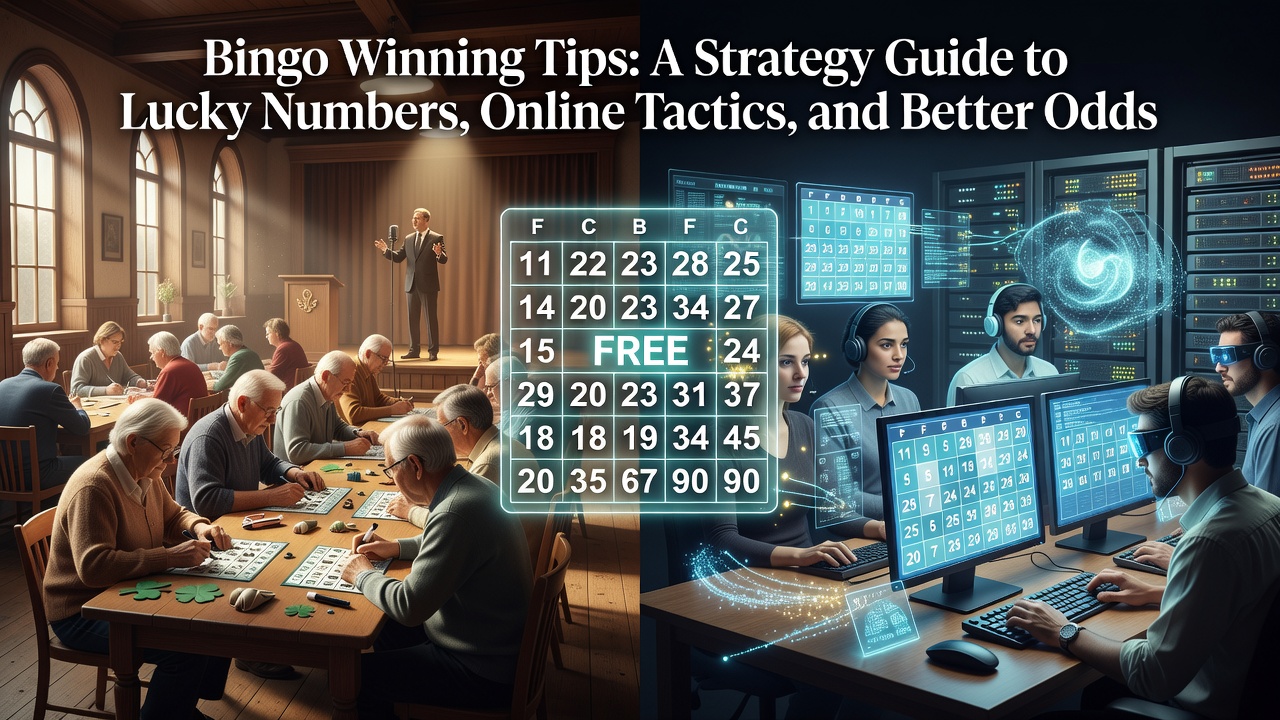
A bingo card has 24 numbers arranged around a free space, drawn from a pool of 75 in the American version or 90 in the British one. That single structural fact explains almost everything about how the game actually works, and why most advice about "hot numbers" misses the point entirely. Bingo is a game of pure chance at the drawing stage, yet the choices a player makes before the first ball drops - which cards to buy, how many to play, which room or session to join - genuinely shift the odds of walking away with a prize.
That distinction matters because so much bingo folklore treats the game like a slot machine with personality, as if certain numbers owe you a win. They don't. But the mechanics around number frequency, card density, and payout structure are real and measurable, and understanding them separates players who consistently place from those who rely on superstition alone. For readers curious about how these mechanics translate into an actual live game session, it helps to view details on how modern bingo platforms structure their draws and payout tiers, since the format directly affects which tactics are worth your attention. This guide walks through what actually influences your chances, what doesn't, and how to build a personal approach that holds up over dozens of sessions rather than one lucky night.
The sections ahead separate myth from mechanism. You'll find a grounded look at numbers, a practical breakdown of online-specific tactics, and an honest accounting of what "improving your odds" really means in a game built on random draws.
Understanding How Bingo Odds Actually Work
Before adopting any bingo winning tips, it helps to understand what the odds are actually measuring. In bingo, your probability of winning a given round depends on three factors: how many cards are in play across the room, how many numbers you're tracking per card, and the pattern required to win. None of these factors involve which specific numbers appear - the balls are drawn independently, and no number is "due" simply because it hasn't shown up recently.
Why Randomness Doesn't Mean Unpredictability in Outcomes
Each ball draw is an independent event, but the overall game outcome - who wins and how many winners there are - follows predictable statistical patterns over large samples. A room with 50 players will, on average, produce a winner faster than a room with 500, because more cards mean more combinations racing toward the winning pattern. This is the foundation of any workable bingo odds strategy: you're not changing the odds of a single number appearing, you're changing your exposure to the outcome by managing how many cards you hold and which games you enter.
The Role of Card Density and Room Size
A crowded room with a large jackpot spreads the probability of winning across more tickets, lowering any individual player's chance despite the bigger prize. Smaller, less popular sessions often carry modest payouts but meaningfully better individual odds. Players serious about long-term results tend to favor consistency over jackpot chasing - smaller, steady wins add up more reliably than rare, room-wide payouts.
- More cards per player increases your coverage of numbers but also your cost per game
- Smaller rooms typically mean fewer competing cards and better win probability
- Progressive jackpots usually correlate with larger player pools and lower individual odds
The Truth About Lucky Bingo Numbers
Every long-running bingo hall has its own folklore - numbers tied to birthdays, anniversaries, or numbers that "came up last week and might again." None of this has bearing on a random number generator or a physical ball cage, but the psychology behind lucky bingo numbers is worth examining because it shapes how people actually play, which in turn affects strategy.
Where the Belief in Lucky Numbers Comes From
Humans are pattern-seeking by nature, and a random sequence of draws will inevitably include streaks and clusters that feel meaningful even though they're statistically unremarkable. If number 17 appears in three consecutive games, some players will treat it as "hot," when in reality this is simply what randomness looks like over a small sample. The same logic that makes people distrust a coin after five heads in a row applies here.
Do Frequency Patterns Have Any Practical Use?
Some players track number frequency across a specific venue's history, reasoning that mechanical quirks in a physical ball machine could create slight biases over thousands of draws. This has some basis in physical hardware but virtually none in digital random number generators used by online platforms, which are tested for statistical fairness. If you enjoy tracking numbers for pattern's sake, treat it as entertainment rather than a genuine edge - the value lies in engagement, not prediction.
Choosing Numbers That Feel Meaningful Without Costing You Odds
There's no harm in picking cards with personally significant numbers, since in most bingo formats you don't choose your numbers anyway - cards are pre-printed or randomly assigned. Where you do have choice is in selecting which cards to buy among available options, and at that point, personal preference costs you nothing in terms of probability.
Building a Practical Bingo Strategy Guide
A real bingo strategy guide focuses on decisions you can actually control: card volume, session selection, and bankroll pacing. These three elements determine your realistic win rate far more than any number-picking ritual.
How Many Cards Should You Play at Once?
Playing more cards increases your chances of having a winning card in any given round, but it also increases the mental load of tracking numbers and the cost per session. The Granville strategy, a classic approach among long-time players, suggests selecting cards with a balanced spread of high, low, odd, and even numbers rather than clusters, on the theory that balanced cards mirror the balanced distribution of a full random draw. Whether or not this shifts true probability, it does reduce the chance of holding a card that's mathematically "unbalanced" relative to the draw pool.
Session Timing and Room Selection
Playing during off-peak hours - weekday afternoons rather than weekend evenings - usually means fewer competing players and better individual odds, even if the total prize pool is smaller. This single adjustment often does more for your effective win rate than any other strategic choice available to a bingo player.
Managing Your Bankroll Across a Session
Set a fixed budget before you start and divide it across multiple games rather than committing everything to one high-stakes round. This approach doesn't change your odds in any single game, but it extends your playing time, which increases your overall number of chances to win within your budget.
Online Bingo Tactics That Make a Measurable Difference
Digital platforms introduce mechanics that don't exist in a physical hall, and adapting your approach to these differences is where online bingo tactics genuinely diverge from traditional advice.
Auto-Daub and Multi-Card Play
Most online platforms offer automatic number marking, which removes the risk of missing a call and lets you comfortably manage far more cards than would be feasible in a live hall. Since card volume directly affects win probability, this feature is arguably the single biggest structural advantage online play offers over traditional in-person games.
Choosing Rooms Based on Player Count and Prize Structure
Online lobbies typically display the number of players and cards in a room before you commit, information rarely available in a physical venue. Use this transparency actively - a room with a modest prize and a small player count often produces a better expected outcome than a flashy jackpot room packed with hundreds of entrants.
Understanding Bonus Structures and Wagering Requirements
Deposit bonuses and free cards can extend your playing time significantly, but they usually carry wagering requirements that affect when and how you can withdraw winnings. Read these terms before committing funds, since a bonus that looks generous on the surface can quietly reduce your effective payout if the conditions are restrictive.
Applying Odds-Based Thinking to Your Overall Approach
A sound bingo odds strategy treats every session as one data point in a longer pattern rather than an isolated event to be won through instinct. This mindset shift changes how players approach both bankroll and expectations.
Expected Value Over Single-Session Thinking
Rather than judging a strategy by whether it won last night, evaluate it by whether it would perform reasonably well across fifty or a hundred sessions. A tactic that slightly improves your odds by five percent won't guarantee a win tonight, but it compounds meaningfully over time.
Recognizing When a Game Isn't Worth Entering
Some rooms are structured in ways that make the expected return poor regardless of strategy - extremely high entry costs relative to prize size, or an overwhelming number of cards in play. Learning to skip these sessions is itself a form of strategic discipline.
Balancing Entertainment Value With Realistic Expectations
Bingo remains, fundamentally, a game of chance with a social and recreational core. The tactics above shift the margins in your favor, but they don't override the basic mathematics of a random draw. Treating strategy as a way to play smarter and longer, rather than as a guaranteed path to winning, keeps the game enjoyable and your expectations grounded.
Frequently Asked Questions
Do certain bingo numbers really appear more often than others?
In a properly maintained physical ball set or a certified digital random number generator, no number has a higher statistical likelihood of being drawn than any other. Apparent "hot" numbers are the result of normal short-term variance, not a genuine mechanical or digital bias.
Is it better to play fewer cards carefully or many cards at once?
Playing more cards generally increases your odds of holding a winner in any given round, provided you can track them accurately. Auto-daub features on online platforms make high-volume play far more manageable than doing so by hand in a physical hall.
Does playing at off-peak times actually improve my chances?
Yes. Sessions with fewer players mean fewer total cards in competition, which mathematically raises your individual probability of winning, even though the prize pool is usually smaller during those windows.
Are online bingo games fair compared to live halls?
Reputable online platforms use certified random number generators that are independently tested for statistical fairness, generally producing outcomes as unbiased as, if not more consistent than, a physical ball cage. The key is choosing platforms that disclose their testing and licensing information.
Should I chase large progressive jackpots or stick to smaller games?
Large jackpots attract more players, which spreads the odds thinner for any single participant. Smaller, steadier games typically offer better individual win probability, making them a more reliable long-term approach if consistent results matter more to you than the size of a rare payout.
Can tracking number frequency at a specific venue give me an edge?
In digital games using certified random number generators, tracking past draws provides no predictive value, since each draw is independent. In physical venues using older mechanical equipment, minor hardware biases are theoretically possible, but they're rarely significant enough to build a reliable strategy around.