
Spicy Fruit Challenge Review: Exotic Hot Fruit Tasting, Fiery Recipes, Snacks, and Flavor Test
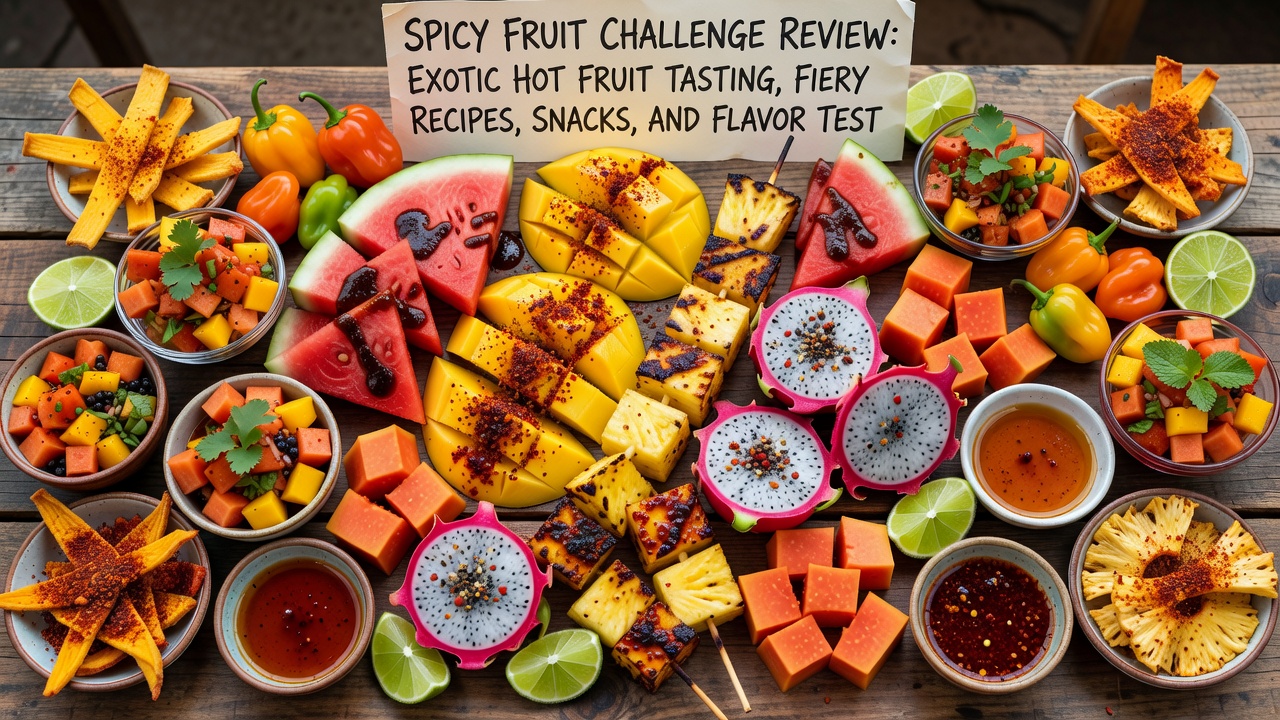
Capsaicin does not belong in fruit by any evolutionary logic - peppers produce it specifically to deter mammals from eating their seeds. Yet a growing subculture of food creators and home cooks has spent the last several years forcing that chemistry into mangoes, pineapples, watermelons, and dragon fruit, producing a genre of snack that shouldn't work and somehow does. This spicy fruit challenge review exists because the trend has outgrown novelty status and become a legitimate flavor category worth examining seriously.
What started as dare-based content on social platforms has turned into something closer to a culinary discipline, with tasting panels, recipe development, and repeat customers who genuinely prefer their fruit with a burn attached. The appeal sits at an odd intersection of sensation and taste memory, similar to the way certain slot games chase adrenaline through unpredictable payoffs - for readers who enjoy that comparison, the hot fruits on fire review over at Playwise365 makes the parallel explicit, pairing fruit-themed slot mechanics with the same escalating-heat concept driving this food trend. Whether the connection is coincidence or clever branding, it says something about why spicy-sweet combinations hook people so effectively.
What follows is a methodical breakdown: how the tasting was structured, which fruits held up under fire, which recipes are worth repeating at home, and which snack brands actually deliver on their heat claims. No marketing language, no invented scores - just a direct account of what happens when sugar meets scoville.
What Is the Spicy Fruit Challenge and Why It's Trending
The format is simple on paper: take a fruit known for sweetness or mild acidity, introduce a chili element - powder, paste, oil, or fresh pepper - and document the reaction. What makes it compelling is the contrast. Sweetness dulls the perception of capsaicin's sharpest edges, while the capsaicin cuts through what would otherwise be a flat, one-note bite. The result is a flavor profile with more dimension than either component offers alone.
Origins of the Trend
Street vendors in Mexico and parts of Southeast Asia have combined chili and fruit for generations - mango with tajín, pineapple with chili-lime salt, watermelon with tamarind-chili seasoning. The current wave of challenge content didn't invent this pairing; it repackaged a long-standing culinary tradition into short-form, high-stakes entertainment.
Why Heat and Sweetness Work Together
Capsaicin triggers the same thermal receptors that respond to actual heat, and sugar interrupts that signal just enough to make the burn feel manageable rather than punishing. This is why a hot fruit flavor test rarely produces the same reaction as tasting a chili pepper alone - the fruit acts as a buffer, stretching out the experience instead of ending it abruptly.
Who's Participating
Home cooks, competitive eaters, and casual snackers all show up in this space for different reasons. Some chase the endorphin rush, others are genuinely refining a new category of dessert and snack pairing that didn't exist in mainstream form a decade ago.
Exotic Hot Fruit Tasting: Ranking the Boldest Combinations
A structured exotic hot fruit tasting requires more than piling chili flakes on a plate. Fruit density, water content, and natural sugar levels all change how heat is absorbed and released on the palate. Some fruits mute spice almost entirely; others amplify it in ways that surprise even experienced tasters.
Top-Performing Fruits Under Heat
- Mango - high sugar content balances even aggressive chili applications, making it the most forgiving base fruit.
- Pineapple - its acidity interacts with capsaicin to create a sharper, more immediate burn than mango produces.
- Watermelon - high water content dilutes heat quickly, ideal for milder spice blends.
- Dragon fruit - mild natural flavor lets chili dominate, useful for testers who want heat without competing sweetness.
- Papaya - its enzyme content slightly numbs the tongue, creating an unusual delayed-heat sensation.
Fruits That Don't Hold Up
Citrus fruits, despite their popularity in savory dishes, tend to clash rather than complement when combined with serious heat. The acidity fights the capsaicin instead of balancing it, producing a flavor that reads as harsh rather than layered.
Texture and Heat Perception
Firmer fruits distribute chili coating unevenly, concentrating heat in specific bites rather than spreading it consistently - a detail that matters far more in practice than most recipe write-ups acknowledge.
Fiery Fruit Recipe Review: What Actually Works in the Kitchen
Recipe developers in this space have moved well past chili powder and lime juice. The best versions treat heat as a seasoning layer, not a gimmick dumped on top at the last second.
Marinated and Infused Fruit
Soaking fruit slices in a chili-salt-sugar brine for thirty minutes to an hour allows the flavor to penetrate rather than sit on the surface. This method consistently outperforms simple powder dusting in taste tests, producing a more even, integrated heat.
Grilled Spicy Fruit Skewers
Charring fruit before applying a chili glaze adds a smoky counterpoint that softens the sharpness of raw capsaicin. Pineapple and mango both hold up well on the grill without turning mushy, provided the pieces are cut thick.
Spicy Fruit Salsas and Salads
Combining diced hot fruit with herbs, lime, and a touch of salt shifts the dish from novelty snack to legitimate side dish. This category has the widest crossover appeal, since it reads as a recognizable culinary format rather than a stunt.
Common Recipe Failures
Over-salting is the most frequent mistake, followed closely by using chili oil in quantities that overwhelm rather than accent. A fiery fruit recipe review that's honest about failures is more useful than one that only highlights successes, since knowing what not to do saves far more time in the kitchen.
Best Spicy Fruit Snacks You Can Buy Right Now
Not everyone wants to prep fruit at home, and the packaged snack market has responded accordingly. Quality varies widely, though, and price doesn't always correlate with heat accuracy or fruit quality.
Dried and Dehydrated Options
Dried mango and pineapple with chili coating travel well and hold their heat level consistently over time, since dehydration concentrates both sugar and spice rather than diluting either.
Fresh-Cut Spicy Fruit Cups
Convenience-store versions of pre-cut spicy fruit tend to underdeliver on heat, likely due to shelf-stability concerns with fresh chili applications. Refrigerated versions from specialty vendors generally perform better.
Chili-Coated Candy and Fruit Snacks
This category leans heavily into the sweet side, with heat added almost as an afterthought. They work well as an entry point for people new to the category but rarely satisfy anyone chasing genuine intensity.
What to Look for on Labels
- Scoville rating or comparative heat description, when listed
- Type of chili used - chili-lime blends behave differently than pure cayenne or ghost pepper coatings
- Sugar content, since it directly affects how the heat is perceived
Hot Fruit Flavor Test: Scoring the Sensory Experience
A proper hot fruit flavor test needs consistent criteria, otherwise comparisons across fruits and recipes become meaningless. The panel here evaluated four factors: initial sweetness, heat onset speed, heat duration, and aftertaste balance.
Heat Onset and Duration
Fruits with higher water content delayed heat onset but also shortened its duration. Denser fruits like mango did the opposite - slower initial burn, but a lingering warmth that outlasted the fruit's sweetness by several minutes.
Aftertaste and Palate Fatigue
Repeated tasting across multiple fruit-chili combinations revealed a fatigue effect: after four or five samples, testers' sensitivity to lower heat levels dropped noticeably, skewing perception toward needing progressively hotter samples to register the same sensation.
Scoring Methodology
Each sample was rated on a simple five-point scale for heat intensity and separately for flavor balance, since a fruit can score high on heat while scoring poorly on overall enjoyment if the sweetness doesn't hold its ground.
Final Verdict: Is the Spicy Fruit Challenge Worth Trying?
The category earns its popularity honestly. It's not purely shock value - the best combinations produce a genuinely layered eating experience that neither straight fruit nor straight chili can replicate alone. That said, quality control in the packaged snack space still lags behind what home cooks can produce with a bit of patience and the right fruit selection.
Who Should Try This
Anyone who already enjoys chili-lime seasoning on fruit will find the more intense versions a natural progression rather than a jarring leap.
Who Should Approach Carefully
People with sensitivity to capsaicin or acid reflux issues should start with milder blends and denser, sweeter fruits like mango before testing anything marketed as extreme heat.
Frequently Asked Questions
Which fruit holds up best against very hot chili varieties?
Mango consistently performs best against high-heat chilies because its natural sugar content is dense enough to counterbalance capsaicin without diluting the fruit's own flavor. Dragon fruit works too, though for a different reason - its mildness simply lets the heat take center stage.
Can I make spicy fruit snacks at home without special equipment?
Yes. A basic chili-salt-sugar mix, fresh fruit, and thirty minutes of marination time will produce results comparable to many store-bought options. A dehydrator helps for longer-lasting snacks but isn't required for fresh preparations.
Is chili powder or fresh chili better for coating fruit?
Chili powder distributes more evenly and is easier to control for consistent heat levels, while fresh chili delivers sharper, more immediate intensity but with less predictability from batch to batch. Powder is the better starting point for anyone new to the process.
Why does spicy fruit taste different from spicy vegetables?
Fruit's higher sugar and water content changes how capsaicin interacts with taste receptors, softening the initial impact while often extending the overall duration of the heat. Vegetables typically lack that sugar buffer, so the heat reads as sharper and more immediate.
What's the safest way to test my heat tolerance before trying extreme spicy fruit snacks?
Start with a mild chili-lime seasoning on a dense, sweet fruit like mango or banana, then gradually increase chili concentration over several attempts. Jumping straight to ghost pepper or habanero-coated snacks without building tolerance risks an unpleasant reaction rather than an enjoyable one.
Do spicy fruit snacks lose their heat over time in storage?
Dried and dehydrated versions retain heat well for weeks or months since the concentration process locks in both sugar and spice. Fresh-cut spicy fruit, however, loses potency within a day or two as moisture from the fruit dilutes the surface coating.